
that time we rediscovered endangered snails for fun
you're welcome, michigan

prescript:
happy new year everyone, and thanks for your patience. it was a very taxing past few months but i think/hope the hardest parts are behind me. obviously i can’t say the same about the world and it’s hard finding motivation when it feels like we’re living a more-nightmarish version of 1984. but hopefully you can take some respite in fun nature writing.
i’ve got some winter events coming up and i hope you’ll join me:
february 7, 10-11:30am: winter birds with the nyc bird alliance young conservationists: gulls! meet at the coney island boardwalk stillwell avenue restrooms. free, register here.
february 28, 10-11:30am: winter birds with the nyc bird alliance young conservationists: ducks! meet at the jamaica bay wildlife refuge visitor’s center. free, register here.
march 8, 9:30-11am: spring birding at wave hill. $17 (including admissions to the grounds), register here.
—
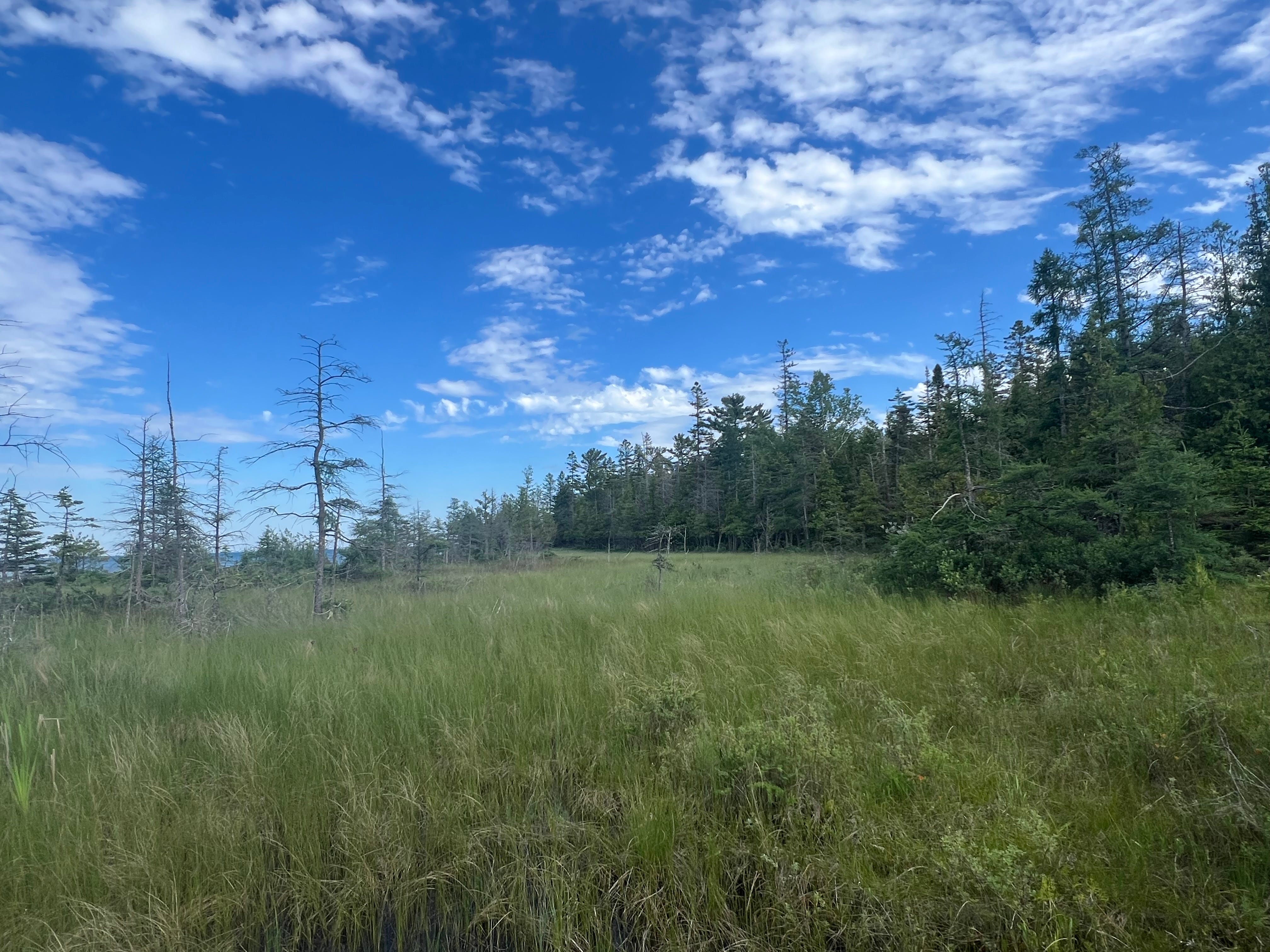
bois blanc island is a summertime paradise where michiganders delight in days spent fishing and nights spent drinking beside bonfires under a late-setting sun. my brother-in-law and i spent our last visit to paradise searching for endangered microsnails.
for new readers, my annual “boblo” trip is a recurring newsletter theme. the 34-square-mile forested island in lake huron has no paved roads, only 200 residents, and a shocking amount of biodiversity. around our rental cabin, the island features a critically imperiled ecosystem called calcareous fen supporting populations of rare plants and animals including the usa’s only federally-endangered dragonfly. in 2024, after browsing a list of species specializing on this habitat, i became fixated on finding a trio of tiny endangered snails.
rare snails love calcareous fens. these fens offer food plus lots of shelter to keep snails from freezing or being eaten—soil, nooks, fallen leaves, and rotting logs. they have the required moisture for snails to maintain their slimy lifestyles and lay eggs that won’t dry out. and most importantly, they’re abundant in limestone, offering the calcium that snails need to maintain their shells, according to a michigan natural features inventory (mnfi) document. the glut of resources allow snails to specialize in these habitats, so one fen might host many snails of many species.
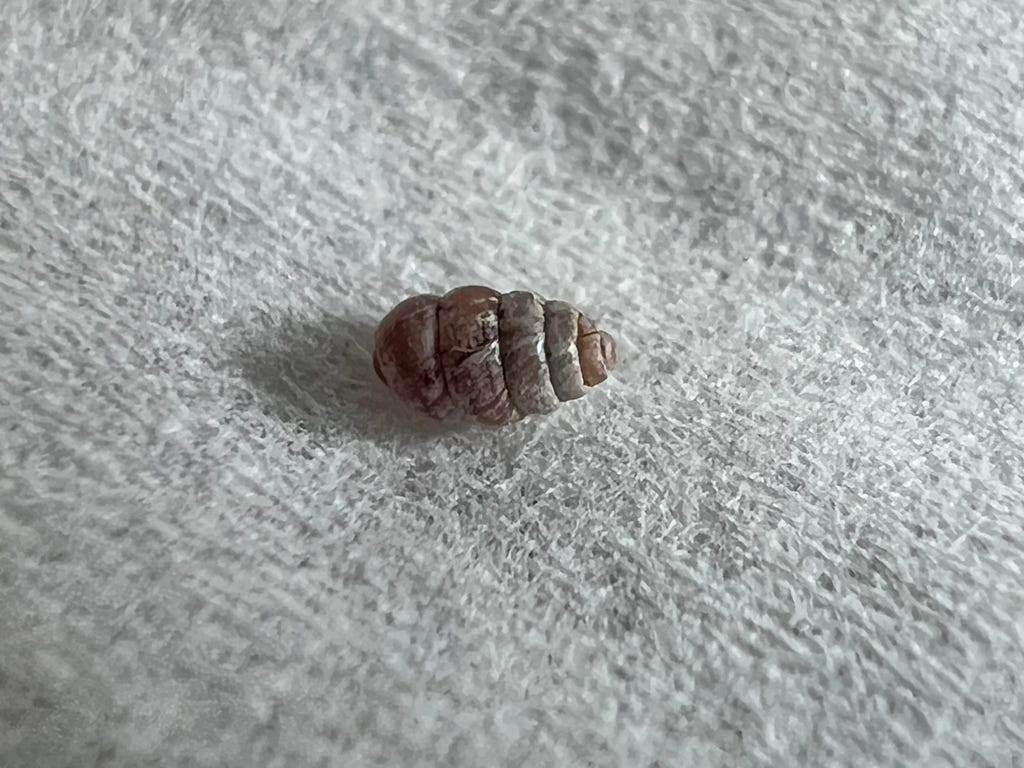
mnfi lists a few threatened snails among its calcareous fen denizens including Vertigo elatior, Vertigo morsei, and Catinella exile. V. elatior, the “five-whorl vertigo” and V. morsei, the “six-whorl vertigo,” are beehive-shaped “column snails” measuring just a few millimeters. C. exile, the “pliestocene catinella,” has an irresistible story: once known only from ice age fossils, mollusc scientists (“malacologists”) rediscovered the species in iowa in 1986.
but i didn’t have a clue how to actually find these creatures aside from “look on the ground.” thankfully, i am married into a family of fellow weirdos. my brother-in-law jake knows lots about snails from his miniature aquarium building hobby and was eager to join the search. he offered suggestions on where in the habitat we should look for snails and devised a basic snail-sifting technique using a coffee filter and clear cup.
rain normally slimes boblo days, but this year we were excited to experience our rainiest week in six years of visits, since cool, damp mornings are the best times for snailing. we scoped out three spots: a puddle on the rocky shore near the cabin, the edge of a pitcher plant-filled fen, and an expanse of lakeside cobblestone flats beside “snake island,” a refuge for the endangered eastern massasauga rattlesnake. at each spot, we hunched over, filled our cups with a mixture of water, plants, and dirt, and sifted for snails while we swatted away mosquitoes.
though i’d never noticed it before, each of the habitats were totally loaded with snails. almond-shaped ambersnails climbed blades of grass and rested on rocks, spiral-shaped ramshorn snails floated on the water’s surface, and every so often a sand grain-sized column snail would materialize from the detritus. these caused the most excitement, since they were our candidates for V. elatior and V. morsei. we’d take closer looks with our iphones—say what you will about apple products, the new iphone’s macro lens works great as a pocket magnifying glass in the field. we returned to the cabin with one ziploc bag of snails per location, including many snails that fit the bill for V. elatior plus a slightly larger one that could have been our V. morsei. As for C. exile, we hoped it would reveal itself among the ambersnails we plucked.
i didn’t know much about microsnail identification, so i googled until i found a few people experienced with michigan’s molluscs. one was an mnfi biologist named ashley cole-wick, the other an often-cited professor named jeff nekola now based in the czech republic. i sent them emails mentioning our snail haul with some photos of our V. morsei candidate, the rarer of the target column snails.
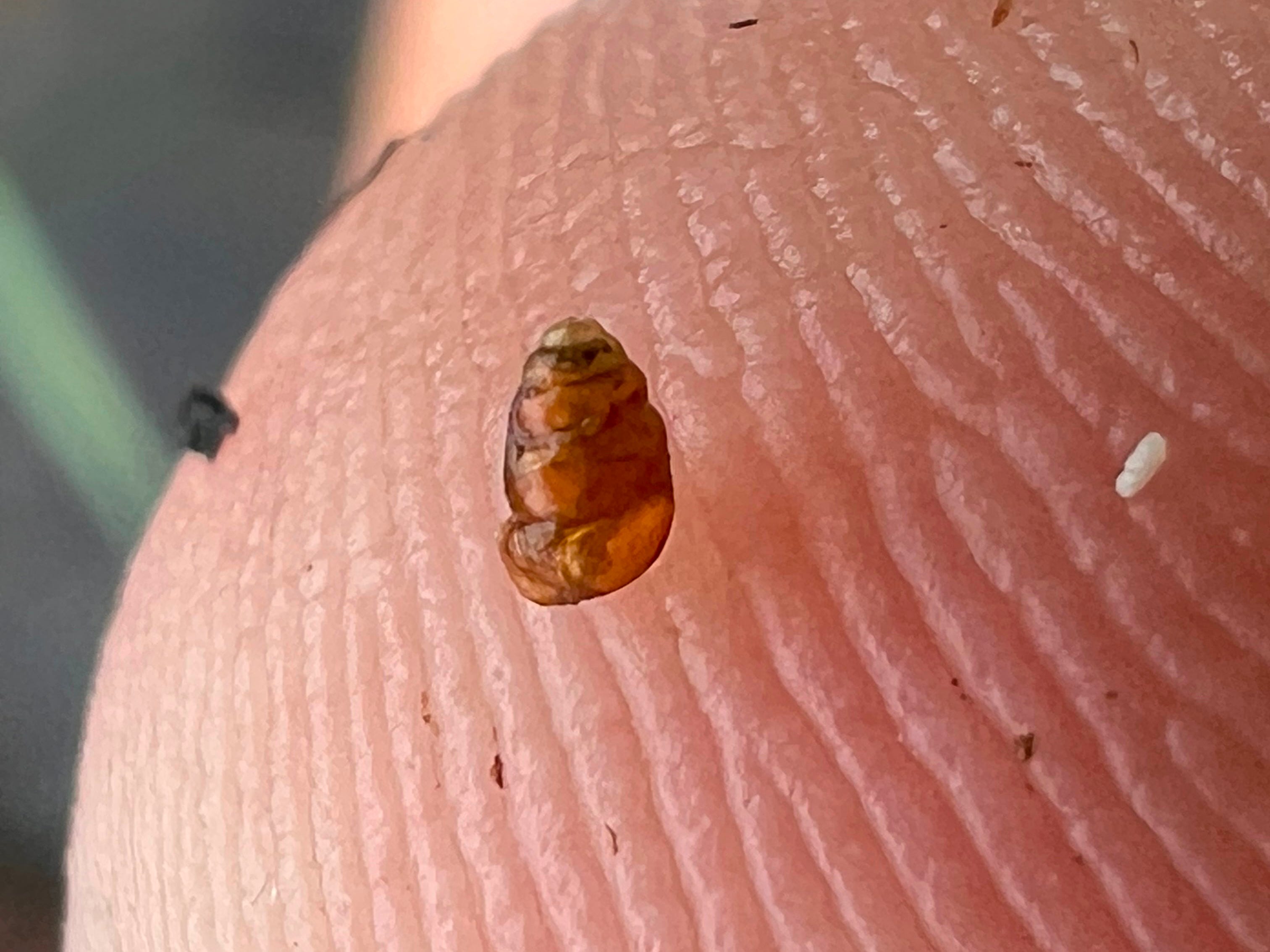
ashley responded quickly and was excited about our efforts—we’d essentially carried out a free survey of michigan’s rare land snails. she was busy doing butterfly surveys, but said if i mailed her snails she’d help me identify them a few months later. she thought the photo looked reasonable for V. morsei but wanted a closer look.
jeff’s response was less enthusiastic. column snails can’t be identified without a photo of the “teeth,” tiny growths inside of the shell’s aperture, he explained—but despite that, he said he was certain my photos showed another V. elatior, which he confirmed was very common in the habitat despite its threatened status. he also attached identification resources. to identify snails, malacologists use “keys,” choose-your-own-adventure guides that say things like “if your snail is bigger than 5mm go to section 2, otherwise go to section 3,” following the snail trail until you land on your specific species. once you arrive at the Vertigo genus, your last hurdle is a photo of each species lined up showing their fingerprint—the shape of the teeth in the aperture.
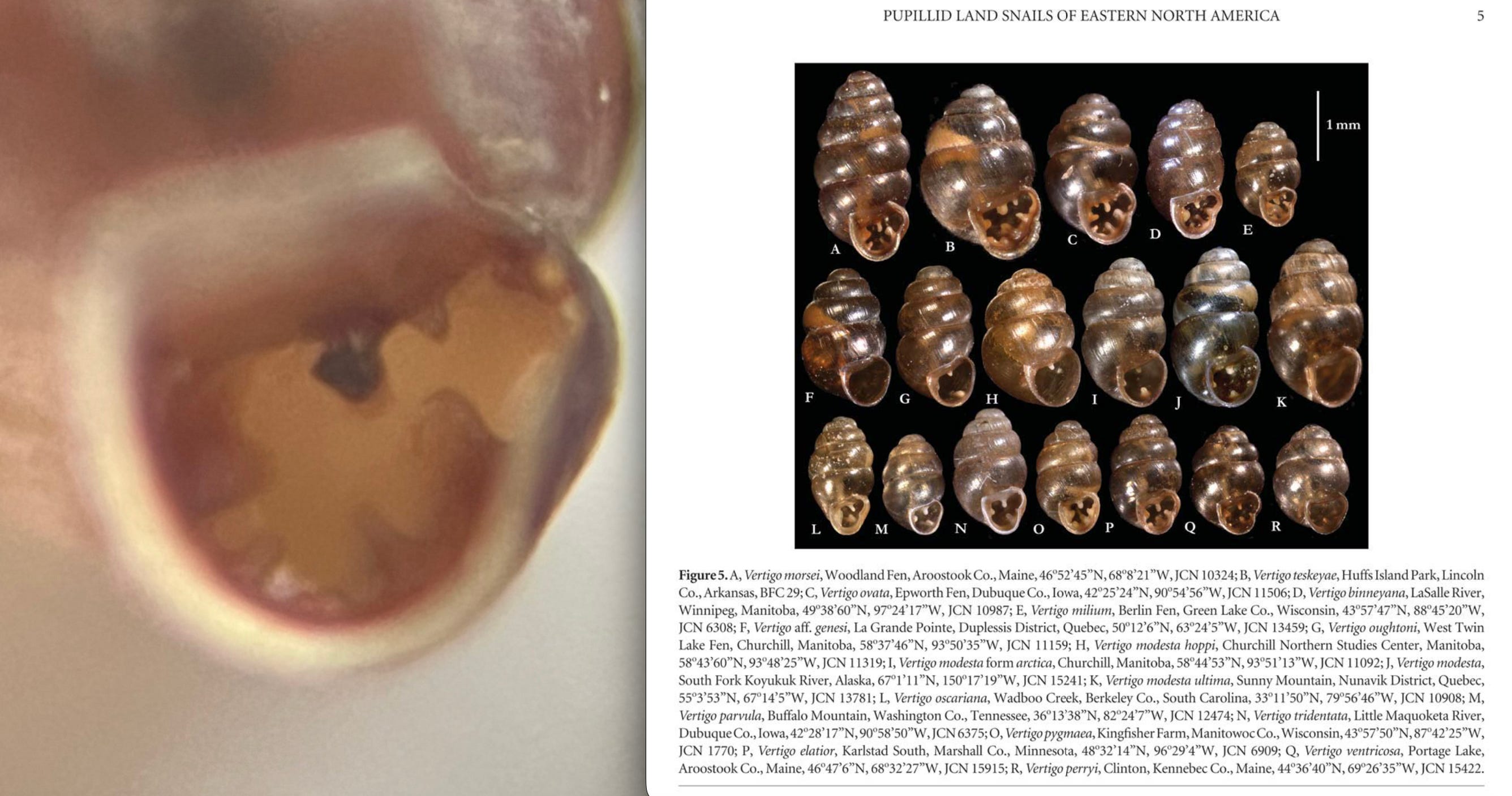
i brought the snails back to new york and ran through the keys, now armed with my portable microscope. the larger shell had the exact same tooth pattern as the V. morsei specimen in the key he sent me. i responded to jeff with the better photos through my lens, and he tersely agreed with my identification. though he considered this species common, too, ashley confirmed it as the first time V. morsei was documented in michigan since 2009.
ok, two snails down, one to go. however, unlike the column snails and their toothprints, C. exile and all of the ambersnails are much harder to nail down with keys, incorporating subjective traits like color which i don’t have experience gauging or precise measurements that i don’t have tools to carry out. so i’d have to wait until ashley had time to analyze my snail mail under a microscope.
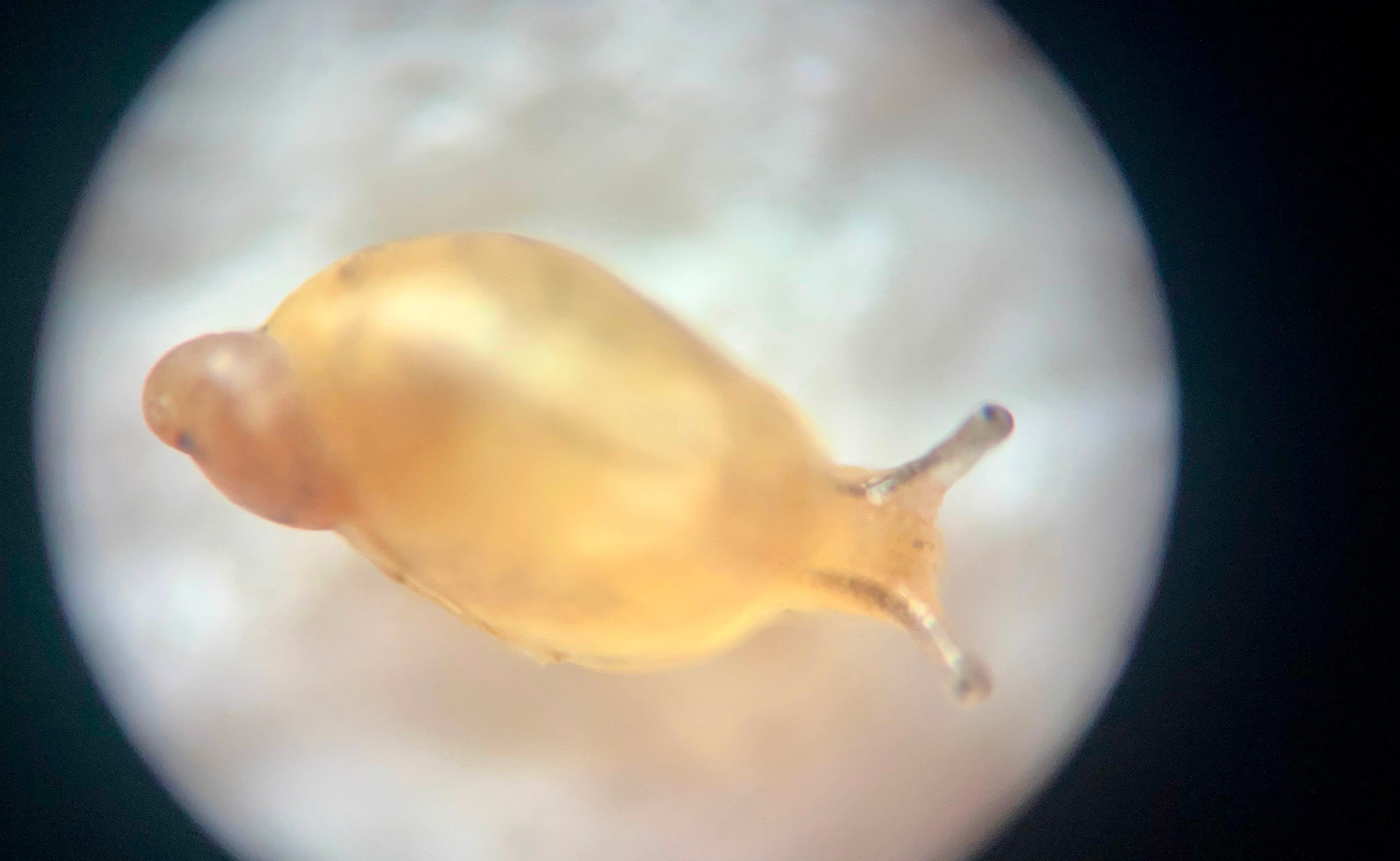
three months later, ashley kicked off the analysis at her lab in lansing, michigan. i tried to be chill, but i was regularly refreshing my email awaiting the verdict, my anxiety exacerbated by some broken microscope camera drama. eventually ashley and her coworker michelle got a good look at the snails… and among the haul noticed two small, broken, orange ambersnails from the snake island bag. after running through the keys, michelle landed on C. exile for their identity. snailed it!
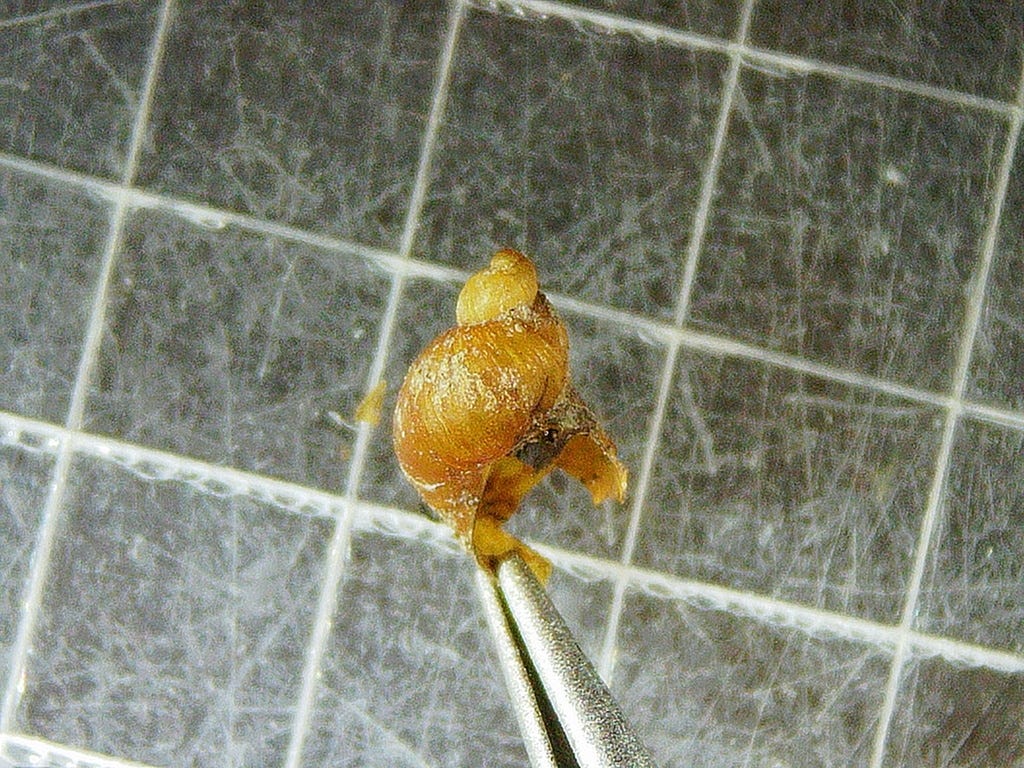
i eagerly emailed the photos to jeff, using the name “Mediappendix exilis” that more modern sources use for the species. his response was a metaphorical bucket of salt.
he had no clue what species michelle’s photo showed, he said. there’s no such thing as “mediappendix,” and in his opinion, whole family of ambersnails was a cluster*&$#. oh, and ambersnails can’t be identified by their shells alone, and in fact, they can’t even be identified with DNA until someone does a study revising the entire family. many of the “endangered” species in the family aren’t species at all. he advised that i would want nothing else to do with the shell. i felt like i’d been slugged in the gut.
i forwarded jeff’s email to ashley and michelle. ashley agreed with the cluster*&$#ness assessment, but michelle’s hands were tied. the mnfi follows standards set by a well-regarded organization called natureserve, and according their resources, “Mediappendix exilis” is a real species and the one that best matches our snails, based on existing snail identification techniques. so today, the snails represent the first records of C. exile/M. exilis in michigan since 1998—with an asterisk that the species might not be a real one in the first place.
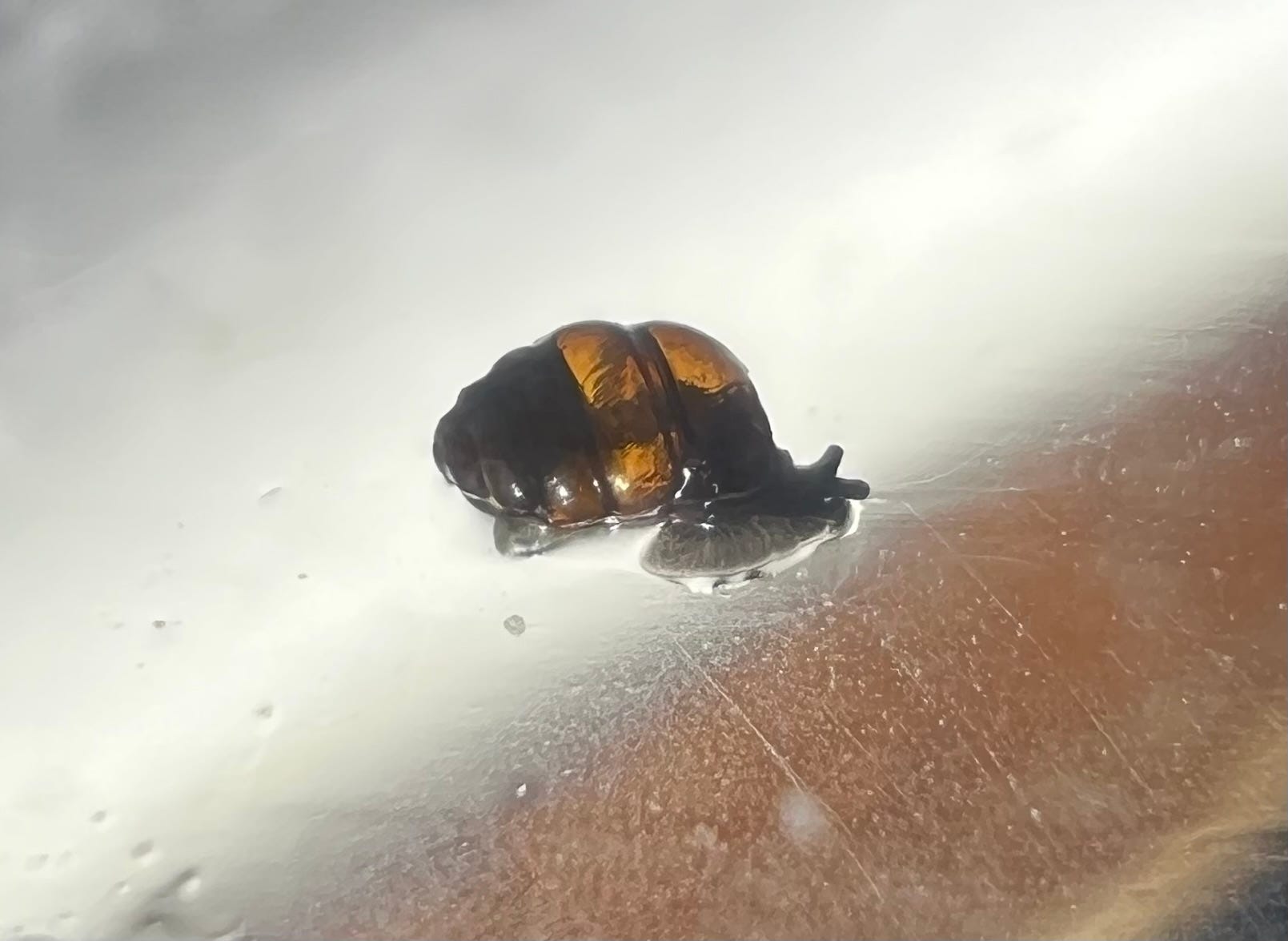
though frustrated by the asterisk, i couldn’t be that upset. jake and i had unwittingly undertaken an endangered snail survey for the state of michigan in a place rarely surveyed, confirming the continued presence of three species in the process. plus, as a birdwatcher, i’m no stranger to taxonomic cluster*&$#s. large white-headed seagulls, for example, represent a group of species that look exactly the same and regularly interbreed—gullwatchers proudly leave confounding individuals unidentified. scientists regularly declare new species based on varying amounts of evidence or do away with species altogether. we follow the “latest science,” but that science can contradict itself. after all, scientific papers aren’t be-all, end-alls—they’re evidence used to prove and disprove hypotheses.
i say it often: species is a human-defined concept we use to bucket the world, but that means humans decide what goes into the buckets. the animals themselves might not agree with those decisions. for something as understudied as two-millimeter snails, we simply don’t have much information for building an understanding of the world. so we try to classify things as best we can working with what we understand today, and expect things to change as we learn more.
in the meantime, i love a reason to play in the mud. i’m looking forward to whatever wildlife obsession i develop for my boblo visit—there are plenty of weird creatures left to find.
postscript
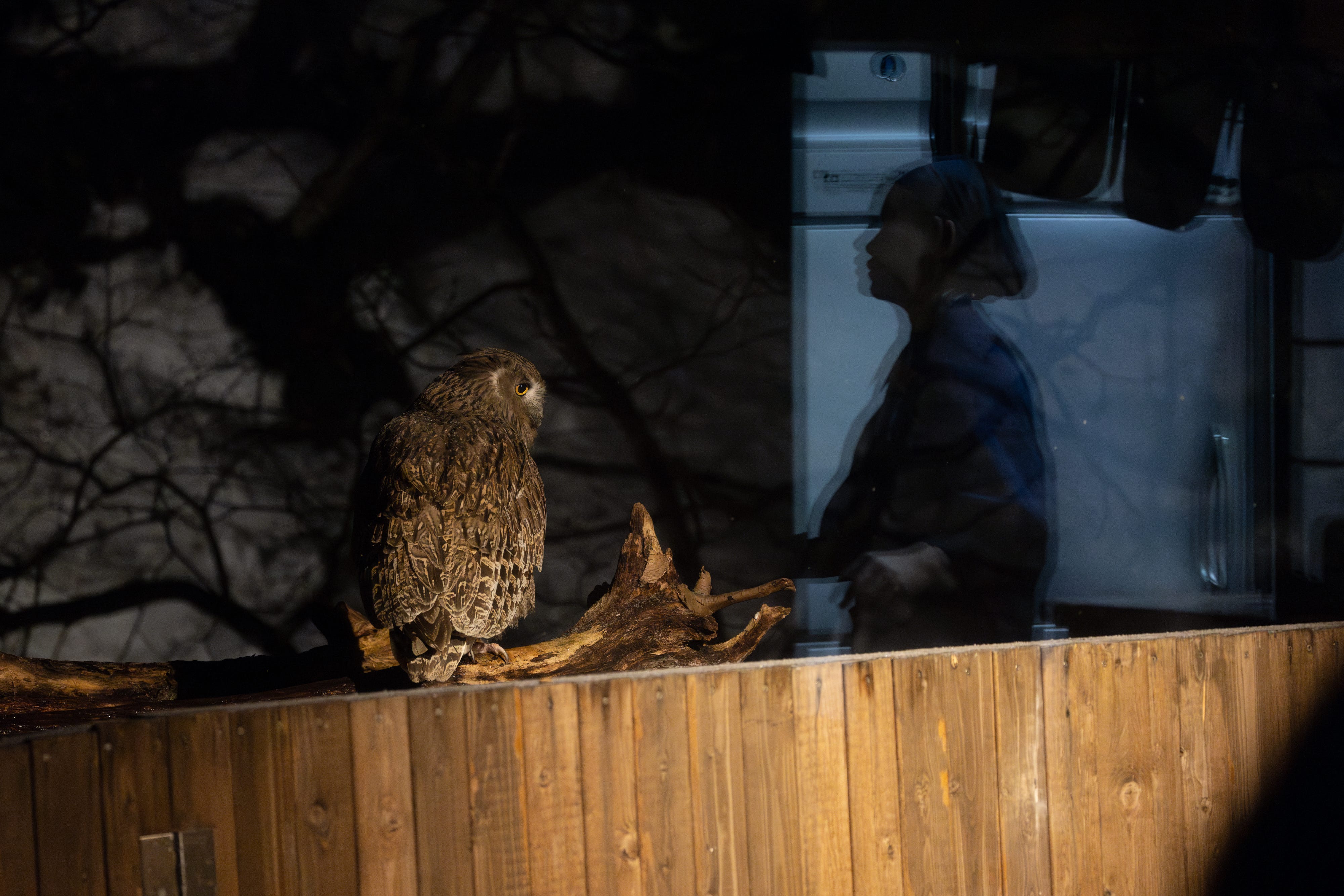
brittany and i got married but never had a honeymoon, so last month we took the honeymoon money that my grandma gave us and spent it on a trip to japan. we tried to balance our respective interests, so it was half birdwatching trip, half eating/culture trip, and amazing overall. among the major cultural highlights included appreciating the similarities between rural hokkaido and britt’s rural minnesota, visiting the contemporary art museum in kanazawa, and sifting through centuries-old woodblock prints at a tiny bookship in kyoto. culinary highlights included visiting several dessert shops from kantaro: the sweet-tooth salaryman, drinking milk in hokkaido, and eating a gigantic pregnant raw shrimp at a kanazawa fish market. avian highlights included a flock of 35,000 baikal teal in a lake north of tokyo, getting cracking looks at a japanese waxwing while hiking in a small village, finding ryukyu minivets minutes after wishing to see them at a shrine, and spending several nights just a few feet away from the gigantic and enigmatic blakiston’s fish owl while sitting in our pajamas.
but there was nothing more special than spending two weeks exploring and adventuring with my spouse and best friend :)
This is awesome
Oh, that was a fun read! Love the varied interactions with the snail experts. What a deep dive into mollusk minutia.